How the Geometry Works
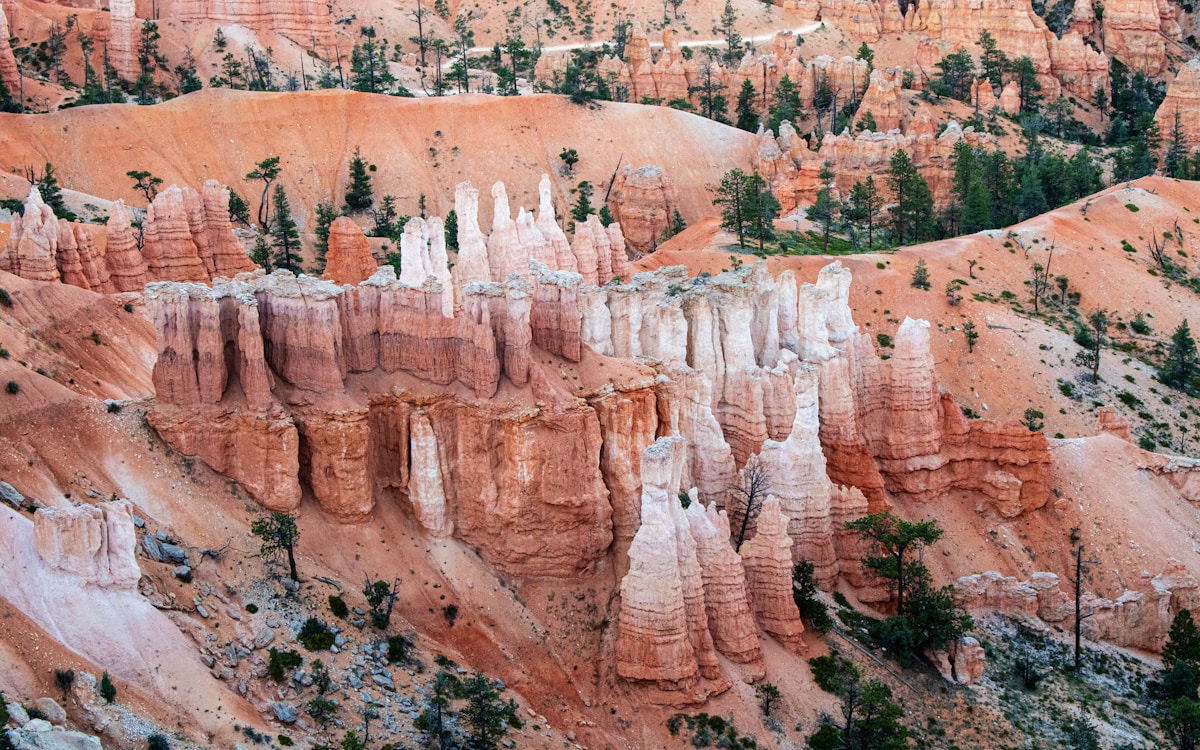
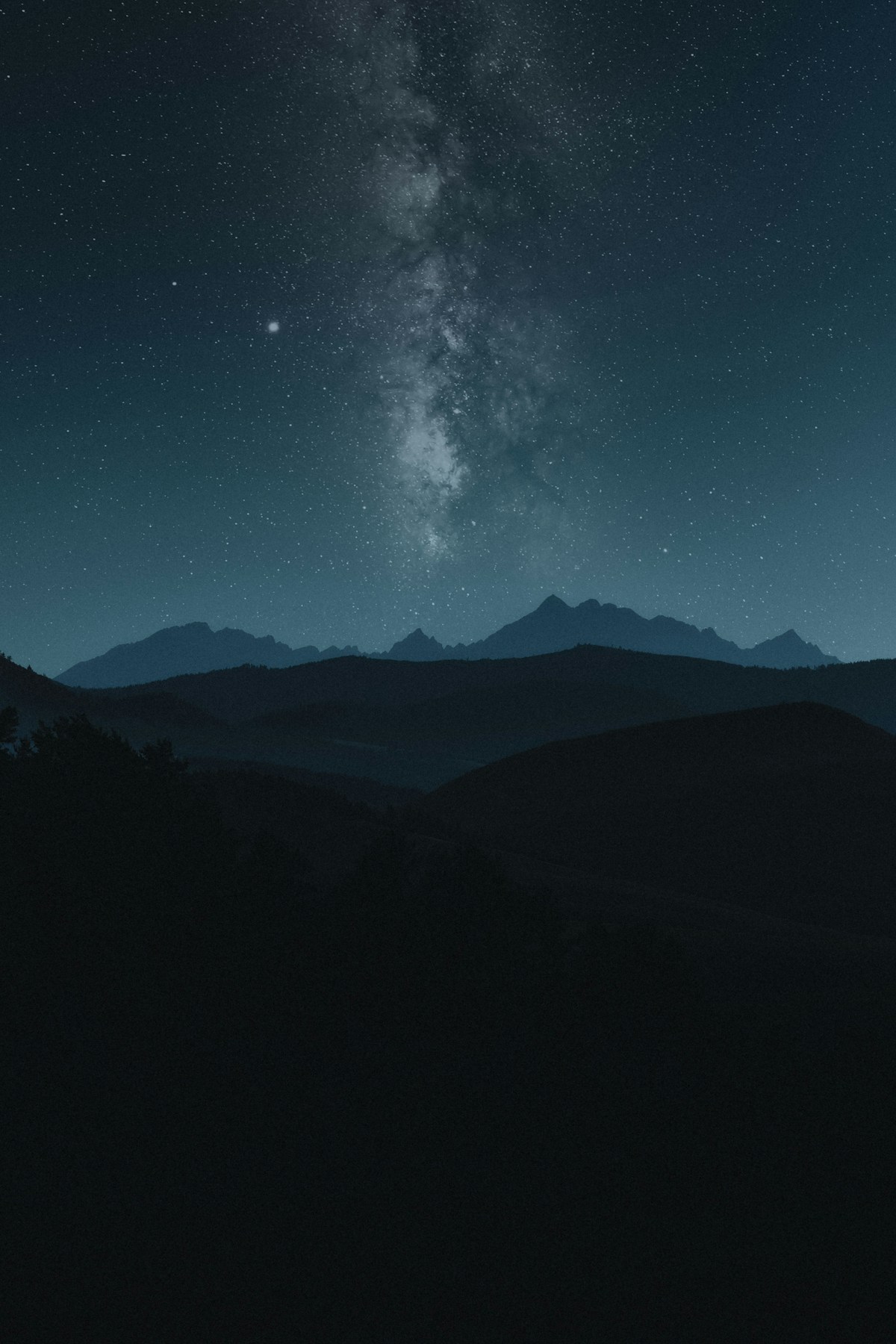
Bryce Canyon's main amphitheater opens toward the east and southeast, and the four classic viewpoints sit along its western rim. That's lucky geometry for stargazers: in summer, the Milky Way's bright core rises in the southeast and crosses the southern sky — meaning from the rim, the galaxy stands directly over the hoodoo amphitheater for much of the night. You get the park's two signature sights, hoodoos and dark sky, stacked in a single view. (For the full list of what's overhead, start with what you can see in the night sky.)
All four viewpoints below are inside the park (entrance fee applies; the park is open 24 hours), reachable by paved road, with the overlook a short paved walk from parking. The park shuttle stops running in the evening, so you'll be driving yourself. Note that any of them is dark enough — the sky barely changes between viewpoints. Choose on access, comfort, and composition, not darkness.
| Viewpoint | Best for |
|---|---|
| Sunset Point | First-timers, families, easy access |
| Sunrise Point | Fewer people, same view |
| Inspiration Point | Widest sky, meteor showers |
| Bryce Point | Photographers, full-amphitheater Milky Way |
Sunset Point: the Easy Default
Best for: first-timers, families, anyone arriving after dark.
About a hundred yards of flat, paved walking from a large parking lot, with fencing along the rim. Sunset Point overlooks the densest, most photogenic section of the amphitheater — including the Silent City formation — facing east-southeast, which puts the rising summer core right over the hoodoos in the first half of the night. It's also closest to the lodge area, so the walk back is short and well-trodden. The trade-off: it's the most popular night spot, so you may share it with other stargazers and the occasional headlamp. Etiquette note — arrive with a red light, keep white light off, and everyone's night vision survives.
Sunrise Point: the Quieter Twin
Best for: a Sunset Point experience with fewer people.
A half-mile north along the rim from Sunset Point, with its own parking and a similarly short, gentle paved approach. The view angles more directly east across the amphitheater toward the Aquarius Plateau — excellent for the rising core in early summer, moonrise watching, and dawn zodiacal light in fall. Because the casual evening crowd defaults to Sunset Point, Sunrise Point is reliably calmer after dark. The rim connecting trail between the two is paved and walkable by red light if you want to compare both in one night.
Inspiration Point: the Big-Sky Upgrade
Best for: wide horizons and serious sky-watching sessions.
A short drive south of Sunset Point, Inspiration Point sits higher, with three terraced levels above the amphitheater. The lower level is a short walk from parking; the upper level adds a steeper, partly uneven climb that demands real care in the dark — do it in twilight or skip it at night. The payoff is one of the widest panoramas on the rim: a huge sweep of sky over the full amphitheater, looking east-northeast across thousands of hoodoos. This is a favorite for meteor showers, where field of view is everything. Hold the rail, watch the drop-offs, and keep children close; the fencing does not run everywhere.
Bryce Point: the Dramatic One
Best for: photographers and the full-amphitheater Milky Way shot.
The southernmost and highest of the four at roughly 8,300 feet, a 15-minute drive from the lodge area with a slightly longer (still paved) walk to the overlook. Bryce Point looks north and east across the entire amphitheater — the most expansive single view in this part of the park. For photographers, that means you can frame the amphitheater below a southern-sky Milky Way by shooting along the rim, or capture the whole hoodoo field under the stars. It's our pick for the night's signature image; pair it with the settings in the night photography guide. It's also the most exposed to wind — bring the extra layer.
Night Safety on the Rim
This matters more than viewpoint choice. The rim has 1,000-foot drop-offs, fencing only in places, and footing that mixes pavement, gravel, and roots.
- Arrive before full dark whenever possible. Learn the ground in twilight, then stay put.
- Stay on paved areas and behind fencing. Never scramble for "a slightly better angle" at night. No photo is worth the edge.
- Use a red light, carry a backup. A dead headlamp half a mile from the car is a genuinely bad situation in below-freezing temperatures.
- Do not hike below the rim at night unless you're on a moonlit full-moon walk with experience or a ranger-led group. The trails into the amphitheater are disorienting in the dark.
- Dress for 20–30 degrees colder than Bryce Canyon City daytime temps. Above 8,000 feet, summer nights hit the 40s; shoulder seasons go below freezing.
- Wildlife is around — mostly mule deer. Give them room, and never leave food out.
Picking Your Spot in One Line Each
| Easiest, closest, social | Sunset Point |
|---|---|
| Same view, fewer people | Sunrise Point |
| Widest sky for meteors | Inspiration Point (lower level) |
| The photograph | Bryce Point |
If your night happens to fall during the June Astronomy Festival, expect more activity at the main overlooks — and free telescopes pointed at the best targets. For everything else (moon phases, temperatures, reservations), the FAQ has the short answers.
Skip the Guesswork Entirely
Guides at Bryce Canyon Stargazing choose the night's spot for you based on moonrise, wind, and what's best placed in the sky — with telescopes already set up when you arrive.
Check Tour Dates